Dream interpretation and practice
The Tibetan dream interpretation is particular. It is mixed with cultural beliefs, which is a background of the psychology, and is firmly influenced by Buddhist philosophy of mind and phenomena.
The Tibetan dream interpretation is particular. It is mixed with cultural beliefs, which is a background of the psychology, and is firmly influenced by Buddhist philosophy of mind and phenomena.
The physical body is produced from the material and sub-material (subtle) of the five basic elements. They are the same as the subtle elements described earlier, and are concentrated in the parent’s two energies.
As a sign of conception, the woman immediately feels heaviness and satisfaction. After one month or two, the pregnancy syndrome begins with headache, nausea, body ache and sometimes desire for special food, etc. These symptoms are considered as being normal.
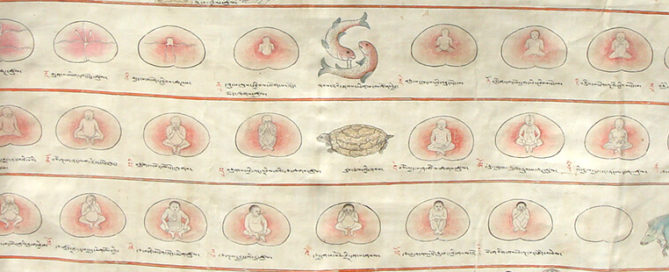
During the 10th week of pregnancy, a subtle wind called Srawar-byedpa manifests and helps the protrusion of the two shoulders and hips. This week is called beginning of the ‘Turtle stage’ because the child’s body shape looks like a turtle.
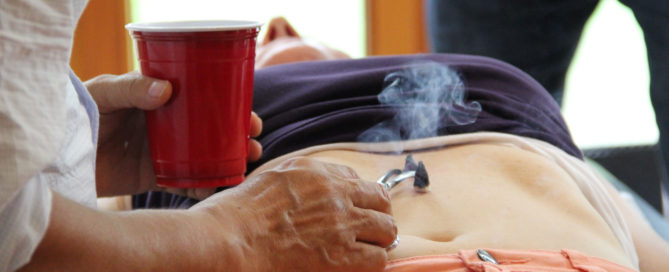
Tibetan moxibustion is called Metsa (Me means fire and tsa means to produce) because the heat produced by the fire at one particular point helps the energy to circulate and reduces the pain. It is not at all based on the concept of meridians.
“La” (bla) in Tibetan means ‘superior body‘, or ‘energy body‘. According to the Tibetan medicine and astrology concepts, between the physical body and the mind is the la body, which develops like a body copy, a shadow or reflection of the physical body. Therefore it is called subtle or energy body.
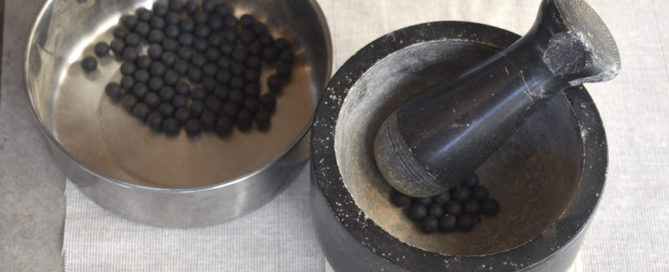
In addition to the theory and practice of the general medical system, the most precious of traditions is the secret of medicine making. This centuries old tradition has been passed down to the present day. There are several thousand medicine formulas contained in the Tibetan medicine pharmacopeia.
An interview with Dr. Pasang Yonten Arya on cleansing within the context of traditional Tibetan Medicine, as well as his personal thoughts and experiences on its relevance and suitability to modern day living. This is followed by some comments from a few of the participants of the cleansing workshop held in June, 2019.
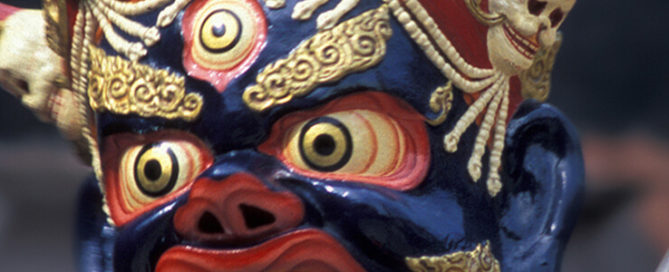
Disease dream or obstacles may appear at any time, but the Gyud-shi (rgyud bzhi), the Four medical Tantras specifically mentions two times: after mid night and in early morning.
Generally dream is an interesting subject in both East and West. People try to interpret them in different ways, some through superstitions and some others try to read the dreams in a psychological way. Therefore dreams are found to be positive in one culture and negative in another.